
31°C, New York


Notification products, updates
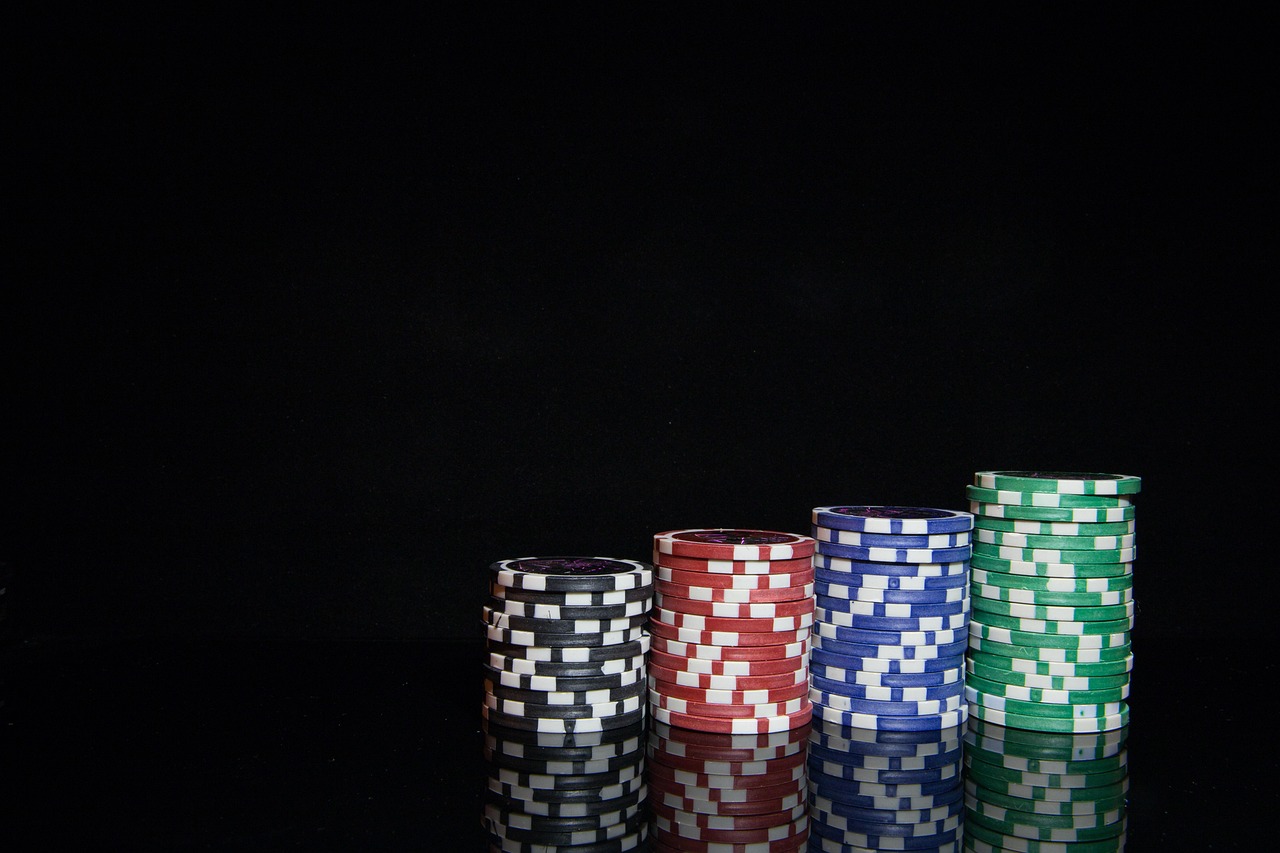
Ask ten casino players why they play and you'll get ten different answers. The thrill of a bonus round. The chess-like grind of a poker table. The 90th-minute goal that decides your weekend. But strip away the emotion and every one of those experiences sits on top of the same cold machinery: probability, house edge, and variance. Understanding that machinery won't kill the fun. If anything, it makes you a sharper player — and a harder person to fool.
This isn't a lecture about quitting. It's a breakdown of what's actually happening when you spin a reel, raise preflop, or take the over on a 2.5 goal line. Concrete numbers, real examples, and the habits that separate players who last from players who reload.
Every bet you place at a casino, online or brick-and-mortar, has a built-in cost. That's the house edge — the mathematical percentage the operator expects to keep over the long run. It varies wildly between products, and knowing the spread is the single most useful piece of iGaming knowledge you can have.
Notice the pattern. Games where skill and decisions matter — blackjack, baccarat, video poker with correct strategy — tend to have lower edges. Games of pure chance with flashy presentation charge more for the entertainment. That's not a scam; it's pricing. A slot machine with a licensed Marvel theme and 4K animation costs more to operate than a card table, and the math reflects it. There is a useful overview at สล็อตเว็บตรง.
Here's the practical takeaway: if you're going to play for a few hours with a fixed bankroll, your expected loss is roughly bankroll × house edge. A player cycling $500 through European roulette should expect to lose around $13.50 on average. The same $500 through a 6% slot? About $30. Multiply that difference across a year of play and it becomes real money.
RTP — return to player — gets all the attention, but it only tells you what happens over millions of spins. What matters in a single session is volatility, and most players don't think about it until it's too late.
A low-volatility slot like Starburst pays small wins frequently. Your balance drifts down slowly. It's a gentle, grinding experience. A high-volatility title like San Quentin xWays or Money Train might pay nothing for 200 spins, then dump 500x your stake in one bonus round. Both can have identical RTP. The difference is the shape of the ride.
Match volatility to your bankroll and temperament:
One more thing about slots: there's no memory. A machine that hasn't paid in three hours is not "due." Every spin is independent. The RNG doesn't know your name, your balance, or how much you've lost.
Poker is fundamentally different from every other game in the casino because you're not playing against the house. You're playing against other players, and the house just takes a rake. That means a skilled player can have a genuinely positive expected value over time — something no slot player can claim.
But "skilled" is doing a lot of work in that sentence. The modern game, especially online, is brutally tough. Solvers have mapped out near-optimal play for most spots. Winning at $1/$2 online today requires more theoretical knowledge than crushing $5/$10 live tables did fifteen years ago.
A few truths that separate winning players from losing ones:
Sports betting looks simple. Pick a winner, get paid. In reality, you're fighting the vig — the commission baked into the odds. A standard -110/-110 line on a coin-flip proposition implies a 52.4% break-even rate on each side. You need to win 52.4% of your bets just to stay even. That's the bookmaker's edge, and it's why sports betting is a grind, not a lottery ticket.
Serious bettors obsess over one metric: closing line value. If you consistently bet numbers better than the closing line, you're beating the market over time, even if short-term results look ugly. Sharp bettors care about process, not the Monday morning scoreboard.
Practical habits that actually help:
Whether you're spinning a slot, three-betting a loose opponent, or firing on the under, the underlying discipline is identical. Set a budget before you start. Set a time limit. Walk away when either is hit — win or lose. No game in this industry rewards tilt. The math doesn't care how confident you feel.
The honest truth is that most players lose over time, and the ones who don't treat it like a craft. They study. They track results. They pick their spots. They understand that a 3% edge is a great edge and that the guy bragging about a 20x slot win last night will be quietly reloading next week.
Play for entertainment if that's what you want. Play for profit if you're willing to do the work. But know which one you're doing, and never lie to yourself about the difference. That single habit is worth more than any hot streak the RNG will ever hand you.

Linda Jackson Lifestyle shares practical, down-to-earth guidance on midlife lifestyle and wellbeing for women for readers across the UK.
Stay Tuned With Updates


Leave A Comment